


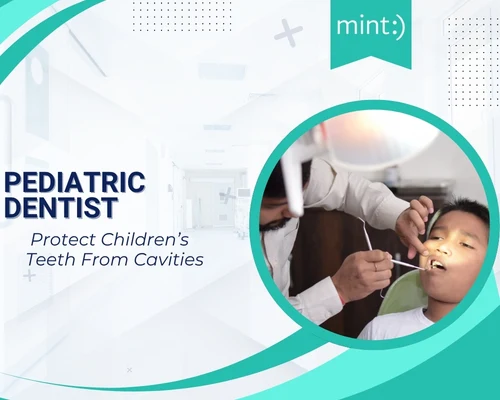
For many parents, discovering a cavity in their child's tooth can come as a surprise. "But we brush twice a day!" is a common reaction. The truth is that even children with good brushing habits can develop cavities — especially in the deep grooves of their back teeth.
This is where dental sealants for children can make a meaningful difference. Sealants are a simple preventive dental treatment designed to protect the chewing surfaces of teeth where food particles and bacteria can easily get trapped.
At Mint Dental Clinic in Dadar, preventive dental care is an important part of helping children grow up with healthy smiles. The clinic's children's dentistry services include a tooth-decay prevention programme and age-appropriate guidance for children and parents.
What Are Dental Sealants?
Dental sealants are thin protective coatings applied to the grooves and pits of teeth — particularly the back molars. These areas can be difficult for young children to clean properly because the grooves are often narrow and deep.
Think about a child eating a sticky snack at school. Even after brushing, tiny food particles may remain inside the grooves of a molar. Over time, bacteria use these particles to produce acids that attack enamel and lead to cavities. A sealant acts like a protective barrier — it covers these vulnerable grooves, making the tooth surface smoother and easier to keep clean.
Sealants are not a replacement for brushing, flossing, fluoride, or regular dental visits. Instead, they add another layer of protection where teeth are most at risk.
Why Are Children More Prone to Cavities?
Children are still learning how to brush effectively. They may brush quickly, miss the back teeth, or struggle to reach the chewing surfaces of their molars. Diet can also play a role — frequent consumption of chocolates, biscuits, packaged snacks, and sweetened drinks increases the risk of tooth decay.
Newly erupted permanent molars can be particularly vulnerable. Their chewing surfaces naturally contain grooves that may hold bacteria and food particles for longer than smoother tooth surfaces.
Regular dental examinations allow a dentist to identify early signs of decay and recommend preventive measures when appropriate. Mint Dental Clinic recommends routine check-ups as part of maintaining healthy teeth and detecting problems early.
How Does Dental Sealant Treatment Work?
One reason parents appreciate sealants is that the procedure is generally straightforward and well-tolerated by children.
- The dentist examines the child's tooth to determine whether a sealant is appropriate.
- The tooth is cleaned and prepared, then kept dry.
- The sealant material is carefully placed into the grooves.
- A special dental light hardens the material in seconds.
- The dentist checks the tooth surface and the child's bite.
There is usually no drilling involved when a healthy tooth is being sealed. This can make the experience much easier for children who feel nervous about dental treatment.
Which Teeth May Need Sealants?
Sealants are commonly considered for permanent molars because their chewing surfaces have deep pits and grooves. However, not every child needs sealants on every tooth. The decision depends on factors such as:
- The shape and depth of the tooth grooves
- The child's history of cavities
- Oral hygiene habits at home
- Diet and snacking frequency
- Whether the tooth is fully erupted
- The dentist's overall assessment of future cavity risk
A paediatric dentist can examine your child's teeth and explain whether sealants would be a useful addition to their preventive care plan.
Do Dental Sealants Mean My Child Cannot Get Cavities?
No preventive treatment can guarantee that a child will never develop a cavity.
A sealant protects the surface where it has been applied, but children still need to brush twice daily with fluoride toothpaste, clean between their teeth as recommended, maintain a balanced diet, and attend regular dental check-ups. If a sealant becomes worn or damaged over time, the dentist can check it during routine visits and determine whether it needs repair or replacement.
This preventive approach is particularly valuable because treating a small problem early is generally far easier and more comfortable than waiting until a child develops significant tooth pain.
What If Your Child Already Has Tooth Decay?
Sealants are mainly a preventive measure. If a tooth already has decay, the dentist needs to assess its condition before deciding on treatment. Depending on the situation, your child may require a filling, restoration, or another form of dental care.
Mint Dental Clinic provides children's dental services including restoration and root canal treatment for milk and permanent teeth, as well as tooth removal and space management when required. For children who require an extraction, following the dentist's aftercare instructions about food, brushing, and activity can make recovery much easier.
Prevention remains the goal wherever possible. Good daily habits and professional preventive care can help reduce the likelihood of more invasive treatment as your child grows.
Why Choose Preventive Dental Care for Your Child?
A child's first dental experiences can influence how they feel about dentists for years to come. Regular preventive visits allow the dentist to monitor developing teeth, spot potential problems early, and teach children how to care for their smiles in a way they can understand and remember.
Mint Dental Clinic offers dedicated Kids Dentistry in Dadar, with care for infants, toddlers, children, and adolescents. The clinic also focuses on educating parents and children about oral hygiene and decay prevention at every visit.
For broader preventive care, explore Mint Dental Clinic's Preventive Dentistry services, which focus on early diagnosis, oral hygiene guidance, and reducing future dental problems. Families can also explore Family Dentistry for dental care that covers different stages of life under one roof.
Research consistently shows that preventive dental care in childhood leads to better long-term oral health outcomes. Starting early makes a real difference.
Give Your Child a Stronger Start With Preventive Dental Care
Cavities don't always happen because a child is careless about brushing. The natural shape of molars, eating habits, and individual cavity risk all contribute. Dental sealants can provide an extra layer of protection for teeth that are particularly vulnerable.
At Mint Dental Clinic, Dr. Ronak Mukesh Khokhani and Dr. Khushboo Ronak Khokhani help children develop healthy habits that protect their smiles as they grow — with gentle, child-friendly care at every visit.
Book your child's dental check-up today and let our team assess whether sealants or other preventive measures could help protect their teeth.
Frequently Asked Questions
1. Are dental sealants safe for children?
Dental sealants are widely used as a preventive dental treatment. Your dentist will examine your child's teeth and determine whether a sealant is suitable for their individual situation.
2. At what age should children get dental sealants?
There is no single age that applies to every child. Sealants are often considered when permanent molars erupt, but the timing depends on tooth development and the child's individual cavity risk.
3. Do dental sealants replace brushing?
No. Children should continue brushing twice daily with fluoride toothpaste and follow their dentist's recommendations for cleaning between teeth. Sealants add an extra layer of protection but do not replace good oral hygiene.
4. How long do dental sealants last?
Sealants can remain effective for several years, but they can wear or chip over time. Regular dental check-ups allow the dentist to inspect them and determine whether repair or replacement is necessary.
5. What should parents do if a child develops tooth pain?
Do not ignore persistent tooth pain, sensitivity, swelling, or difficulty eating. Arrange a dental examination promptly. Early assessment can help determine whether the problem can be managed conservatively or requires treatment.